
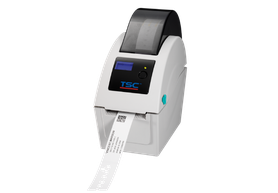
Wristband Printers
RFID wristband printers are advanced devices designed to print and encode RFID wristbands for fast, secure, and contactless identification. These printers combine thermal printing technology with RFID encoding capabilities, allowing businesses to streamline operations, improve accuracy, and enhance traceability across multiple industries.
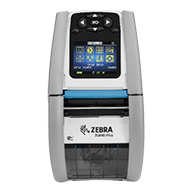
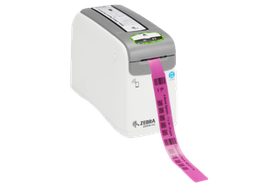

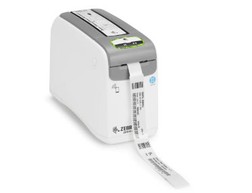
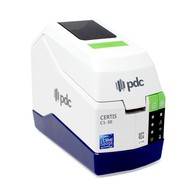
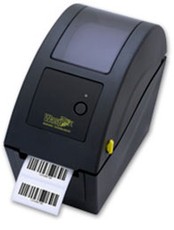
RFID Wristband Printers: Smart Identification and Tracking Solutions
RFID wristband printers are advanced devices designed to print and encode RFID wristbands for fast, secure, and contactless identification. These printers combine thermal printing technology with RFID encoding capabilities, allowing businesses to streamline operations, improve accuracy, and enhance traceability across multiple industries.
Unlike traditional wristband printers that only print visible data such as names, barcodes, or QR codes, RFID wristband printers also write digital information into an embedded RFID chip. This enables automatic identification, real-time tracking, and seamless integration with management systems.
How RFID Wristband Printers Work
RFID wristband printers operate by combining two essential processes:
- Thermal Printing: Prints high-quality text, barcodes, and QR codes directly onto the wristband using direct thermal technology.
- RFID Encoding: Writes and stores data in the RFID chip, enabling wireless communication with RFID readers without direct contact or line of sight.
This dual functionality makes RFID wristband printers an ideal solution for environments where speed, reliability, and automation are critical.
Key Benefits of RFID Wristband Printing
- Contactless Identification: RFID wristbands can be scanned without physical contact, improving efficiency and user experience.
- Faster Operations: Multiple wristbands can be read simultaneously, reducing waiting times and increasing productivity.
- Improved Accuracy: Minimizes human error compared to manual data entry or barcode scanning.
- Enhanced Security: RFID technology is more difficult to duplicate, helping prevent fraud and unauthorized access.
- Real-Time Tracking: Monitor people, assets, or activities instantly through integrated systems.
- Data Flexibility: Information stored in RFID chips can be updated without reprinting the wristband.
Main Applications of RFID Wristband Printers
RFID wristband printers are widely used in sectors where identification, tracking, and access control are essential:
- Healthcare: Patient identification, medication tracking, and error prevention in hospitals and clinics.
- Events and Entertainment: Access control, VIP management, and cashless payment systems in concerts, festivals, and exhibitions.
- Hospitality and Leisure: Guest identification, room access, and service personalization in hotels and resorts.
- Industrial and Logistics Operations: Workforce tracking, visitor management, and process optimization.
- Access Control Systems: Secure entry to restricted areas in corporate or industrial environments.
RFID vs Barcode Wristbands
While barcode wristbands are still widely used, RFID wristbands offer significant advantages in terms of performance and scalability:
- No line of sight required: RFID wristbands can be read automatically without scanning each one individually.
- Higher data capacity: Store more information compared to traditional barcodes.
- Greater durability: RFID wristbands are less affected by wear, dirt, or damage.
- Automation capabilities: Ideal for high-volume environments where speed is critical.
Why Choose RFID Wristband Printers?
Implementing RFID wristband printing solutions allows businesses to modernize their identification processes, reduce operational errors, and improve overall efficiency. These printers are designed for demanding environments where reliability, speed, and data accuracy are essential.
Whether used in healthcare, events, hospitality, or industrial settings, RFID wristband printers provide a scalable and future-proof solution for organizations looking to optimize workflows and deliver a better user experience.